Anatomy (ana = up; –tomy = process of cutting) is the science of body structures and the relationships among them.
It was first studied by dissection (dis = apart; –section = act of cutting), the careful cutting apart of body structures to study their relationships.
Anatomy deals with structures of the body.
Physiology (physio = nature; –logy = study of) is the science of body functions, how the body parts work.
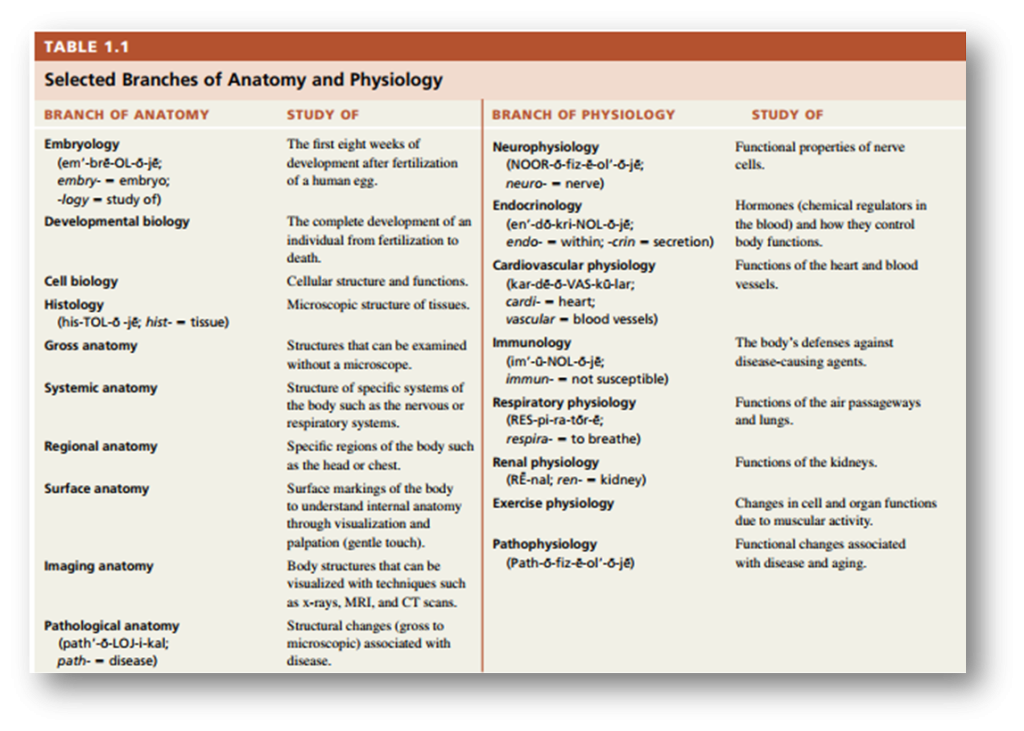
Several branches of anatomy and physiology.
Two branches of science; anatomy and physiology, provide the foundation for understanding the body’s parts and functions.
Because structure and function are so closely related, you will learn about the human body by studying its anatomy and physiology together.
The structure of a part of the body often reflects its functions.
For examples:
The bones of the skull join tightly to form a rigid case that protects the brain.
The bones of the fingers are more loosely joined to allow a variety of movements.
The walls of the air sacs in the lungs are very thin, permitting rapid movement of inhaled oxygen into the blood.
Define level of Organization of the body
The levels of organization of a language letters, words, sentences, paragraphs, and so on can be compared to the levels of organization of the human body.
Your exploration of the human body will extend from atoms and molecules to the whole person.
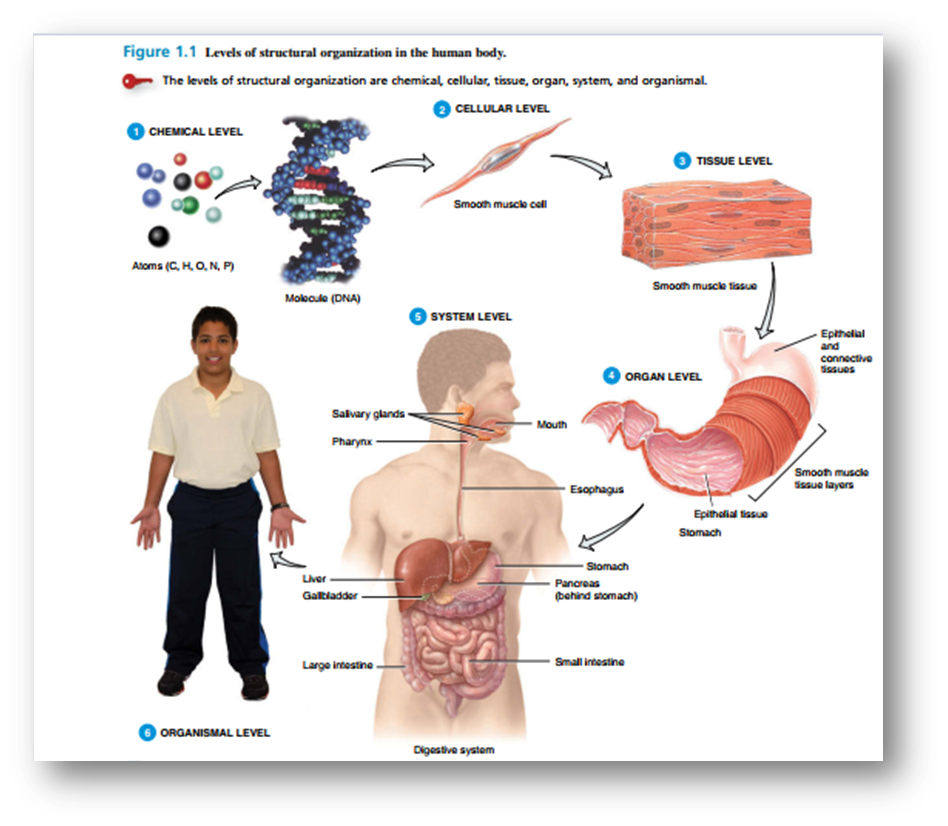
From the smallest to the largest, six levels of organization will help you to understand anatomy and physiology: the chemical, cellular, tissue, organ, system, and organismal levels of organization.
Chemical level
The most basic level, like letters of the alphabet.
Includes atoms (e.g., C, H, O, N, P, Ca, S) and molecules (e.g., DNA, glucose).
Atoms are the smallest units of matter involved in chemical reactions.
2. Cellular level
Molecules consist of two or more atoms joined together.
Molecules combine to form cells.
Cells the basic structural and functional units of an body.
Just as words are the smallest elements of language that make sense, cells are the smallest living units in the human body.
An organ can belong to multiple systems (e.g., the pancreas in both digestive and endocrine systems).
6. Organismal level
The organismal level represents the whole living individual.
All body parts functioning together constitute the total organism.
Comparable to a complete book in our language analogy.
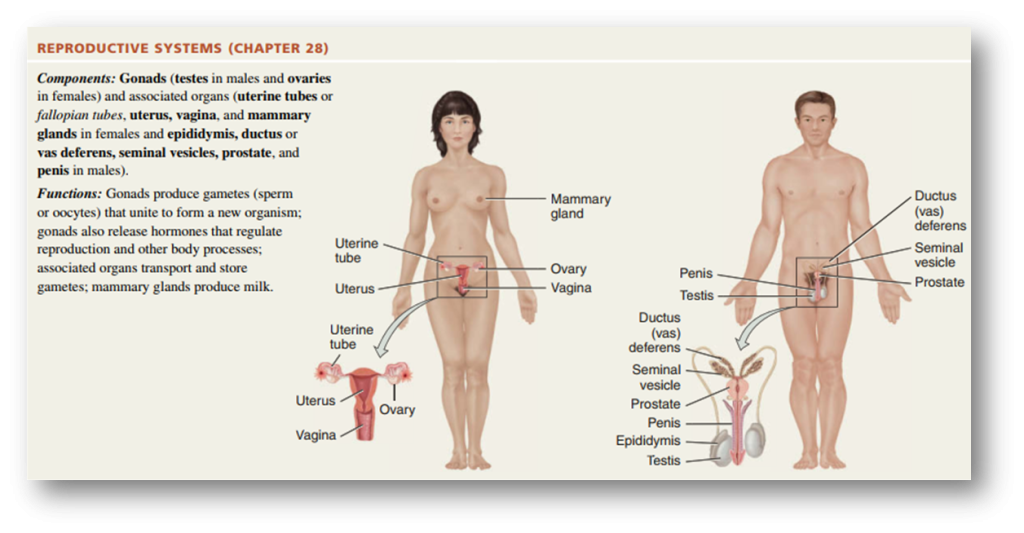
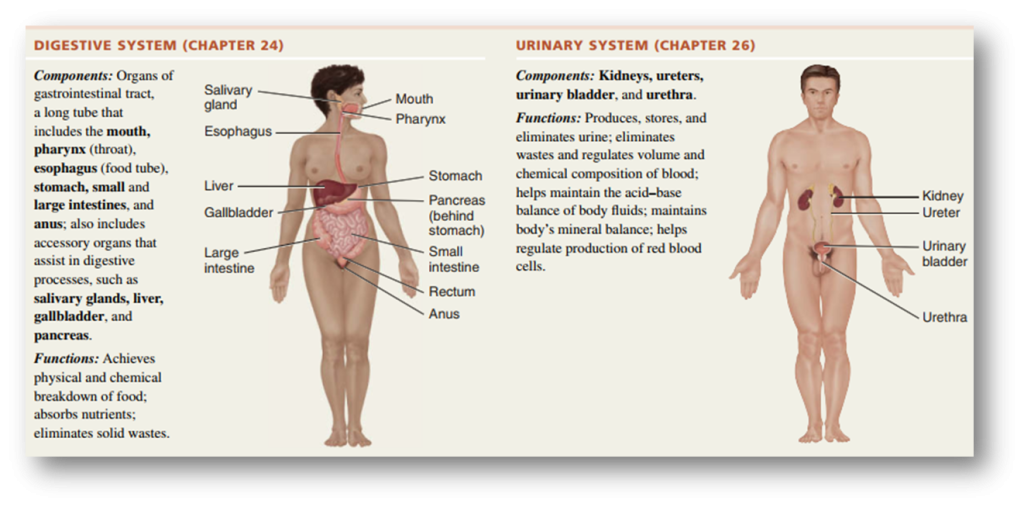
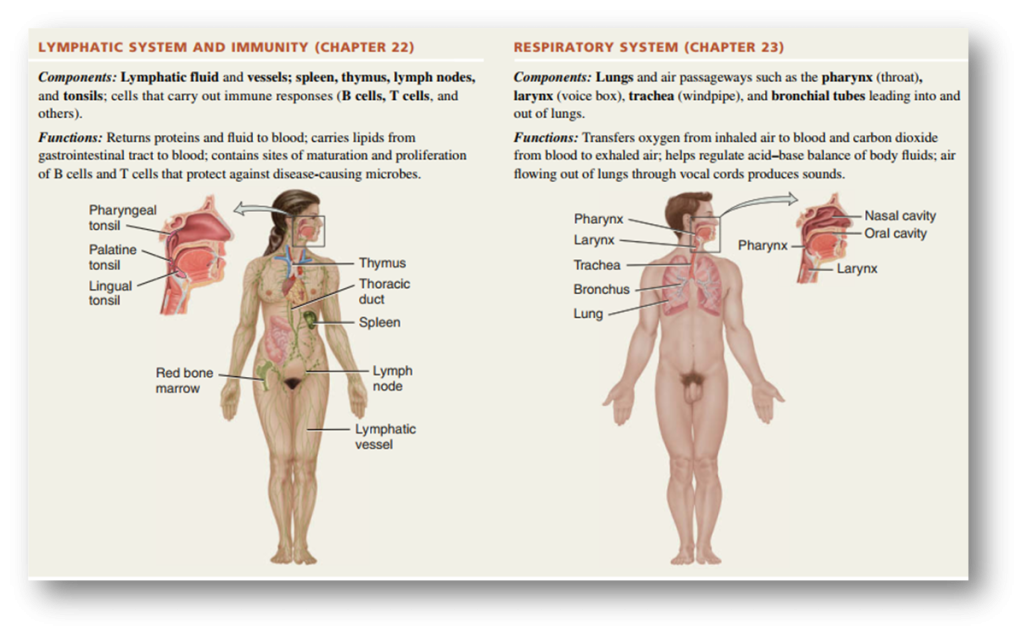
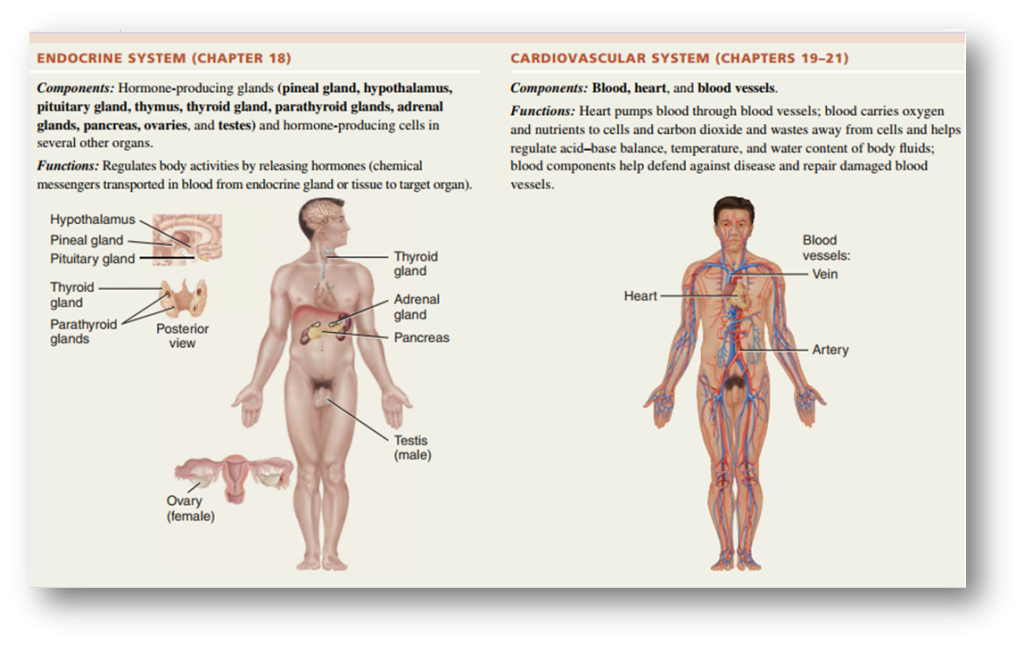
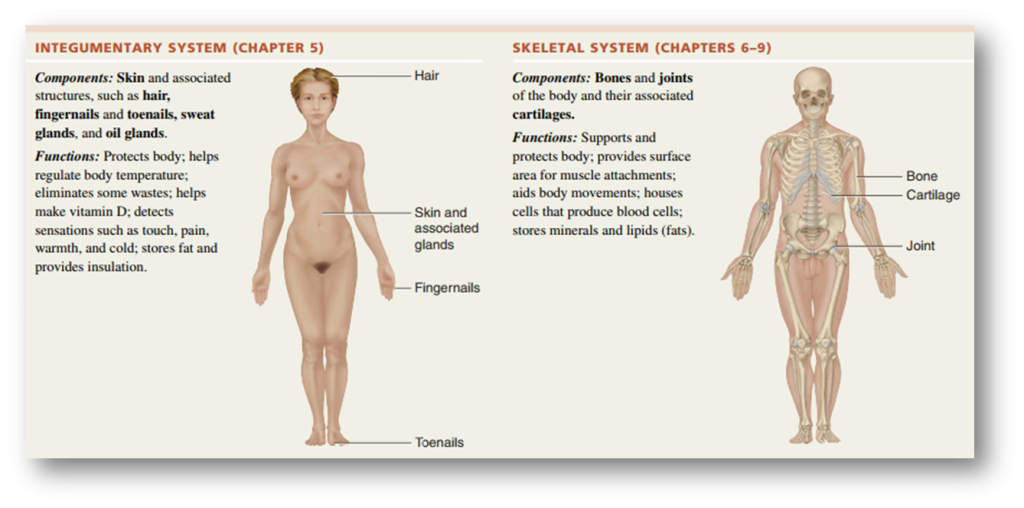
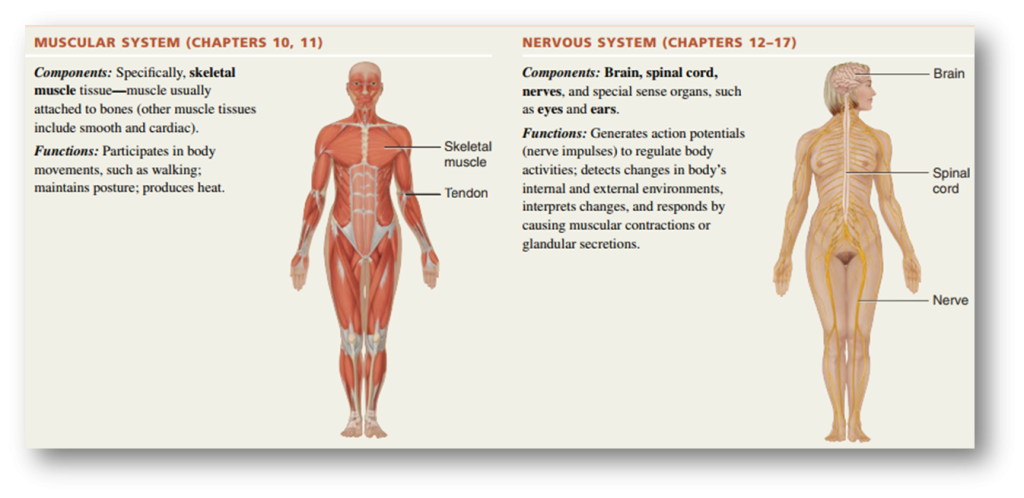
The eleven systems of the human body
Define Anatomical position
Scientists and healthcare professionals use specific anatomical terms to clearly describe body structures and their functions.
For example, saying “the wrist is above the fingers” works only if your arms are by your sides. But if you raise your hands, your fingers would be above your wrists.
Anatomists use a standard anatomical position and precise terms to avoid confusion. This ensures everyone understands the exact location of body parts, no matter how the body is positioned.
Body Positions
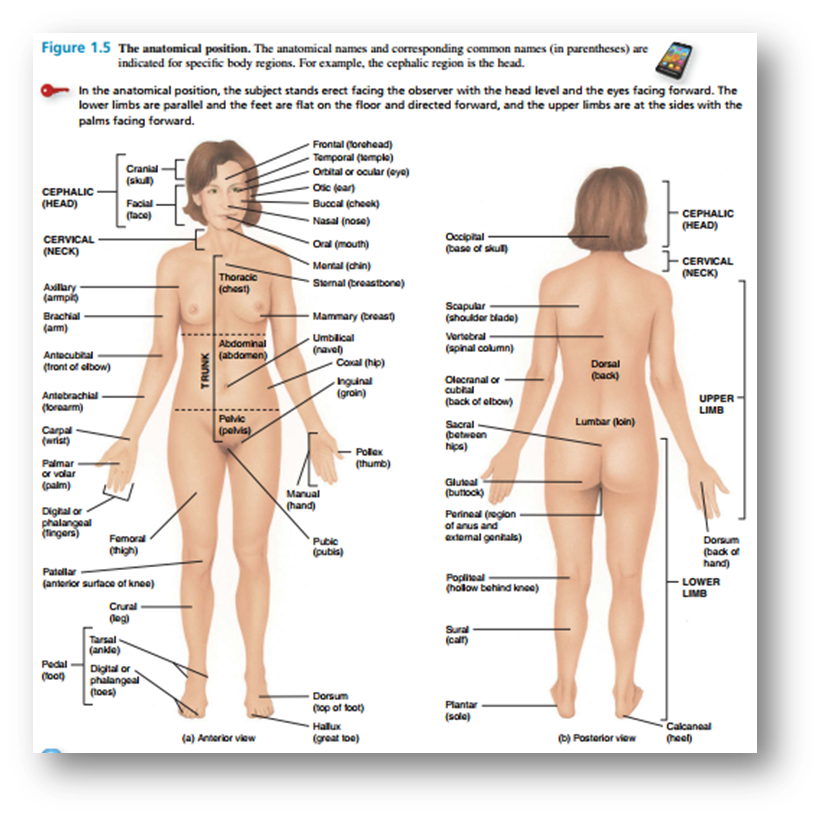
The anatomical position is the standard reference for describing any part of the human body.
In this position, a person stands upright, faces forward, with level head and eyes straight ahead. The legs are parallel, feet flat and pointing forward, and arms are at the sides with palms facing forward.
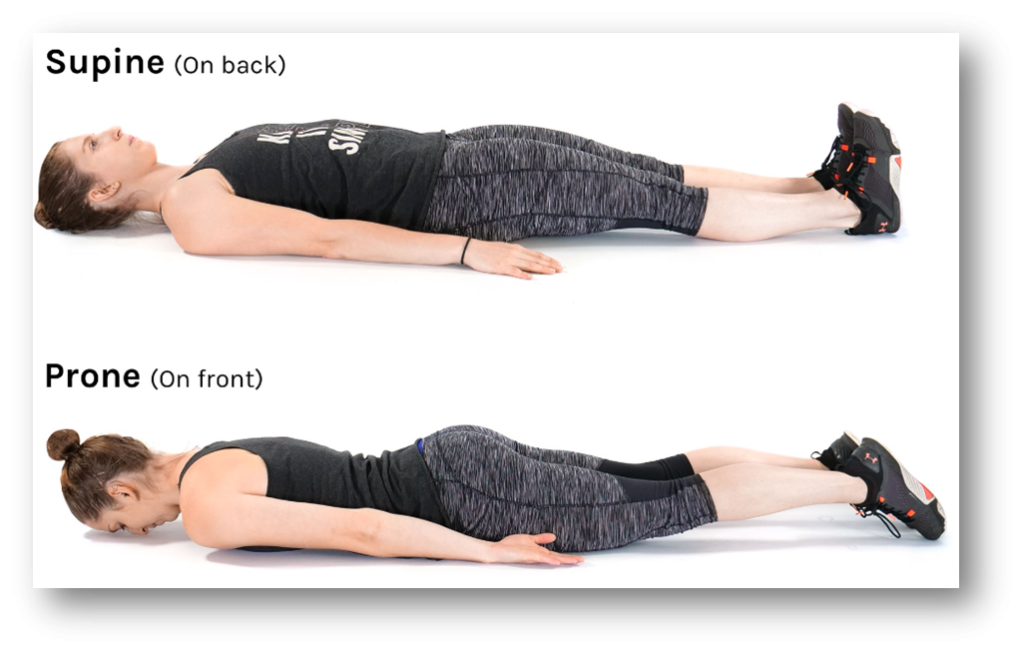
When lying down, the body position is described as:
Prone: Lying face down.
Supine: Lying face up.
Regional Names
The human body is divided into major regions that can be identified externally:
Head: Includes the skull (protects the brain) and face (eyes, nose, mouth, forehead, cheeks, chin).
Neck: Connects the head to the trunk.
Trunk: Comprises the chest, abdomen, and pelvis.
Upper Limbs: Attach to the trunk and include the shoulder, armpit, arm (shoulder to elbow), forearm (elbow to wrist), wrist, and hand.
Lower Limbs: Also attach to the trunk and consist of the buttock, thigh (buttock to knee), leg (knee to ankle), ankle, and foot.
Groin: The area where the trunk meets the thighs, marked by a crease.
Anatomical terms often come from Greek or Latin. For example:
Gluteal Region: Refers to the buttock (where you might get a tetanus shot).
Axilla: The Latin term for the armpit, giving us terms like “axillary nerve.”
These precise terms help in clear communication, especially in medical and scientific contexts.
Directional Terms
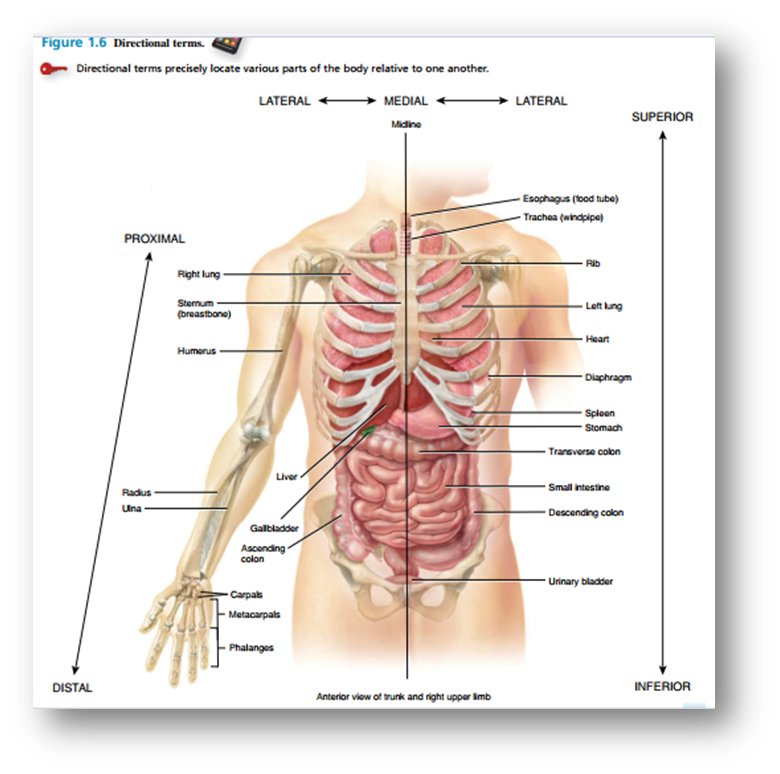
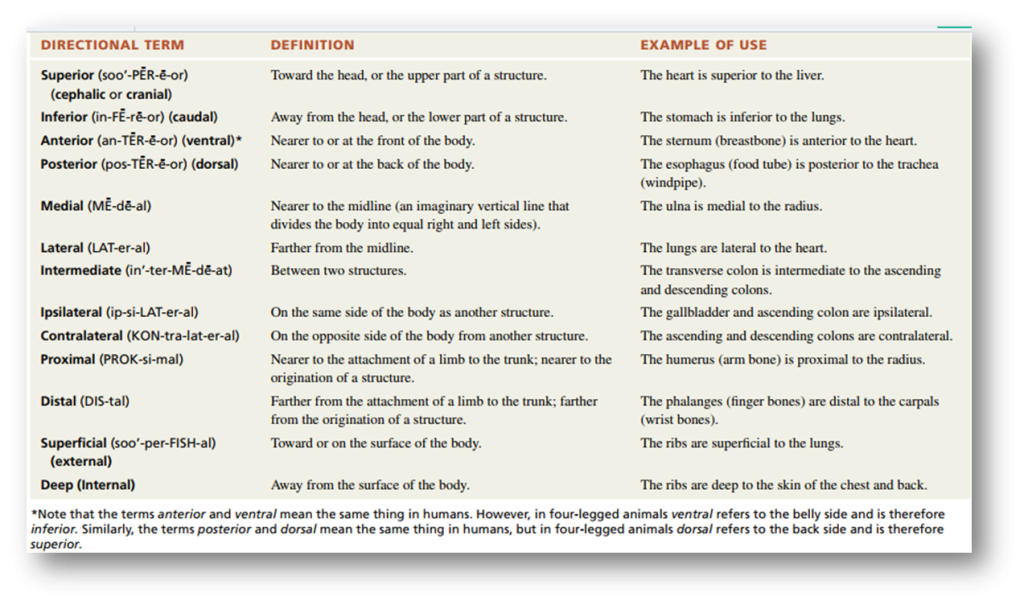
Anatomists use specific words, called directional terms, to precisely describe where body parts are in relation to each other. These terms often come in pairs with opposite meanings.
Common directional term pairs:
Anterior (front) vs. Posterior (back)
Superior (toward the upper part) vs. Inferior (toward the lower part)
Medial (toward the midline) vs. Lateral (away from the midline)
Proximal (closer to the point of attachment) vs. Distal (farther from the point of attachment)
Superficial (toward the surface) vs. Deep (away from the surface).
Directional terms are relative, meaning they depend on the comparison between two structures.
For example: The knee is superior to the ankle, even though both are in the lower half of the body.
These terms help ensure precise communication, especially in anatomy and healthcare settings.